
Tips for Choosing Calm Colors to Create a Relaxing Home
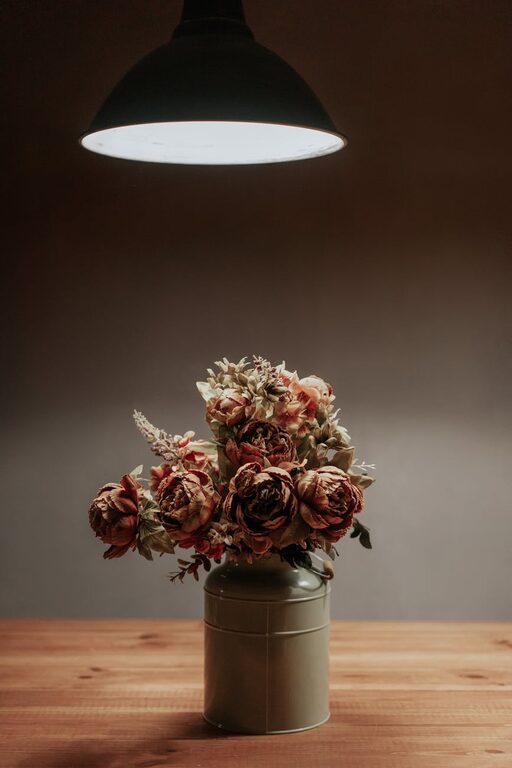
Creating a peaceful and relaxing environment in your home often begins with the colors you choose for your walls and decor. Calm colors have a unique ability to set a soothing mood, reduce stress, and make any space feel inviting. Whether you’re redecorating a single room or your entire home, selecting tranquil hues can greatly enhance your comfort and well-being. This guide will share practical tips on choosing calm colors that work beautifully in your home.
Why Choose Calm Colors?
Colors influence our emotions and perceptions. Calm colors—such as soft blues, gentle greens, warm neutrals, and muted pastels—are known to evoke feelings of serenity and balance. These shades often help create a soothing atmosphere, perfect for bedrooms, living rooms, and other relaxation spaces. By incorporating calm colors, you create a backdrop that invites rest and rejuvenation.
Understand the Basics of Calm Colors
Before choosing specific shades, it’s helpful to understand what makes a color “calm.” Calm colors tend to have the following features:
– Softness: They are generally less saturated or intense.
– Cool or warm tones: Both cool (blue, green) and warm (beige, soft pink) tones can be calming if muted or pastel.
– Natural inspiration: Colors inspired by nature, like sky blue or leaf green, tend to feel peaceful.
Tips for Choosing Calm Colors for Your Home
1. Start with Neutrals as a Base
Neutral colors—like off-white, beige, gray, and taupe—serve as excellent calm backdrops. They make a room feel open and uncluttered while allowing accent colors to stand out. Using a neutral base gives you flexibility in adding subtle pops of color without overwhelming the senses.
Pro Tip: Choose warm neutrals for a cozy feel or cool neutrals for a refreshing, modern look.
2. Incorporate Soft Blues and Greens
Blue and green are classic calm colors, often associated with water and nature. Soft shades of these colors can promote relaxation and reduce anxiety.
– Pale blue creates a serene bedroom atmosphere.
– Mint green adds a fresh touch to kitchens or bathrooms.
– Sage green works well in living spaces for a grounded feel.
3. Use Muted Pastels
Pastels can bring softness without appearing too bold. Think gentle lavender, blush pink, or light peach tones. These colors can make rooms feel airy and calm, especially when paired with whites or light grays.
4. Consider the Room’s Lighting
Lighting plays an important role in how a color appears. Natural light brings out the true hues, while artificial lighting might alter a shade’s tone.
– Rooms with plenty of natural light can handle cooler calm colors.
– Dimmer rooms may benefit from slightly warmer calm tones to avoid looking cold or dull.
Test paint samples under different lighting conditions before committing to a color.
5. Create a Harmonious Color Palette
Choose two or three calm colors that complement each other to create a cohesive look. For example, pairing a soft gray with pale blue and warm beige creates a balanced, layered feel.
Tip: Use the 60-30-10 rule for color distribution:
– 60% dominant color
– 30% secondary color
– 10% accent color
6. Don’t Be Afraid of Texture and Pattern
You can add interest to calm color schemes by incorporating textures or subtle patterns. Linen curtains, woven rugs, or soft upholstery can enhance a room’s depth without disrupting its tranquil atmosphere.
7. Personalize with Accents
Use calm colors in your furnishings, cushions, or artwork to personalize your space. Keeping the accents muted ensures the room remains peaceful while reflecting your style.
8. Avoid Overly Dark or Intense Shades
Deep or vibrant colors usually don’t promote calmness as effectively. While they can add drama, limit these to small accent pieces rather than large wall areas if your goal is tranquility.
Popular Calm Color Families to Explore
Here are some serene colors commonly used in homes:
| Color Family | Example Shades | Best For |
|—————|—————————–|—————————|
| Blues | Powder Blue, Sky Blue | Bedrooms, bathrooms |
| Greens | Sage, Mint, Soft Olive | Living rooms, kitchens |
| Neutrals | Warm Beige, Light Gray | Any room |
| Pastels | Blush Pink, Lavender, Peach | Kids’ rooms, sitting areas|
| Earth Tones | Soft Taupe, Sand, Clay | Cozy spaces, dens |
How to Test Calm Colors Before Painting
- **Buy sample paint pots:** Paint small patches on different walls.
- **Observe through the day:** Color looks different in morning, afternoon, and evening light.
- **Live with samples:** Tape sample boards in affected areas to see how colors feel over time.
- **Evaluate with furnishings:** Place sample boards near furniture to check harmony.
Final Thoughts
Choosing calm colors is about more than just aesthetics — it’s about creating a space where you can relax and recharge. By thoughtfully selecting soft, muted hues adapted to your space and lifestyle, your home will naturally feel more peaceful. Remember to test colors before committing, consider how lighting affects your choices, and build your palette around nature-inspired shades and comfy neutrals. With these tips, you’ll enjoy a beautiful, calm home that welcomes you every day.
—
Feel free to share your favorite calm colors or decorating ideas in the comments!